HANDSVIET
Rehabilitation
HandsViet...
Ballot Boxes Brought to Hospital Bedsides: Touching Moments on Election Day. On the morning of March 15, many patients in hospitals were moved as they exercised their civic duty when ballot boxes were brought directly to their bedsides. This article is edited in a practical format for general readers, highlighting clinical context, warning signs, risk groups, and safe care pathways. It also clarifies when to seek medical attention, how to coordinate with clinicians, and how rehabilitation planning can reduce long-term complications.
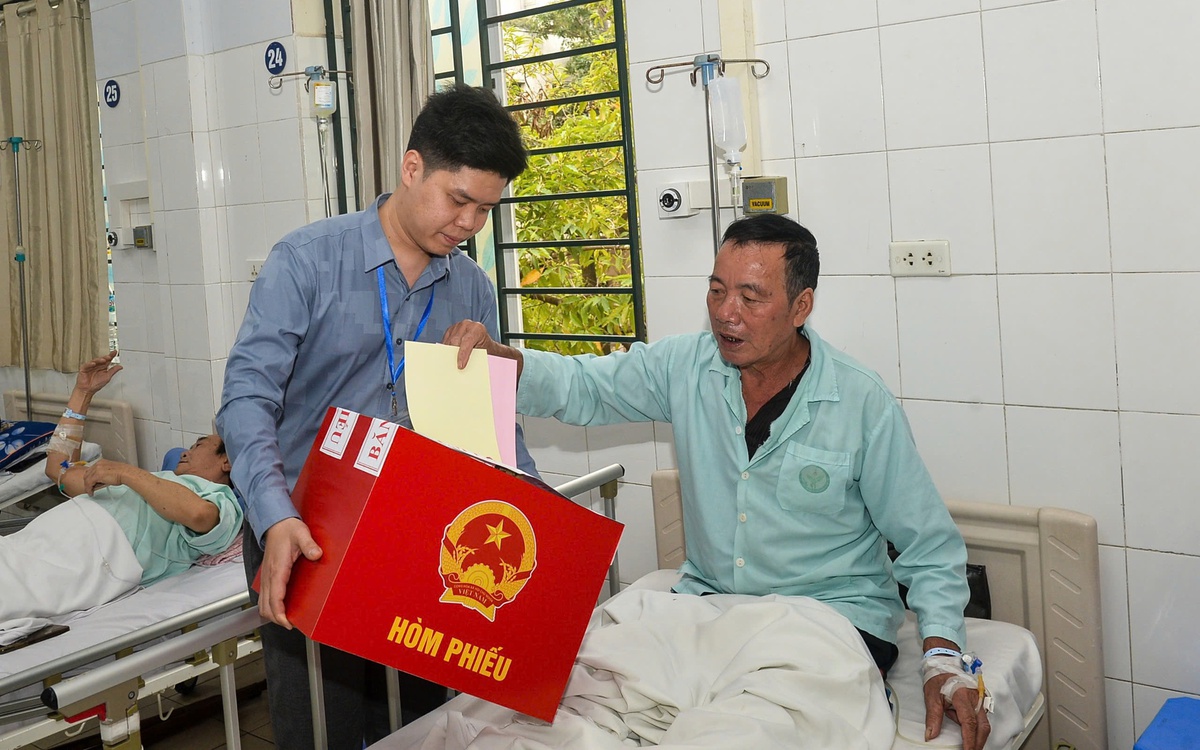
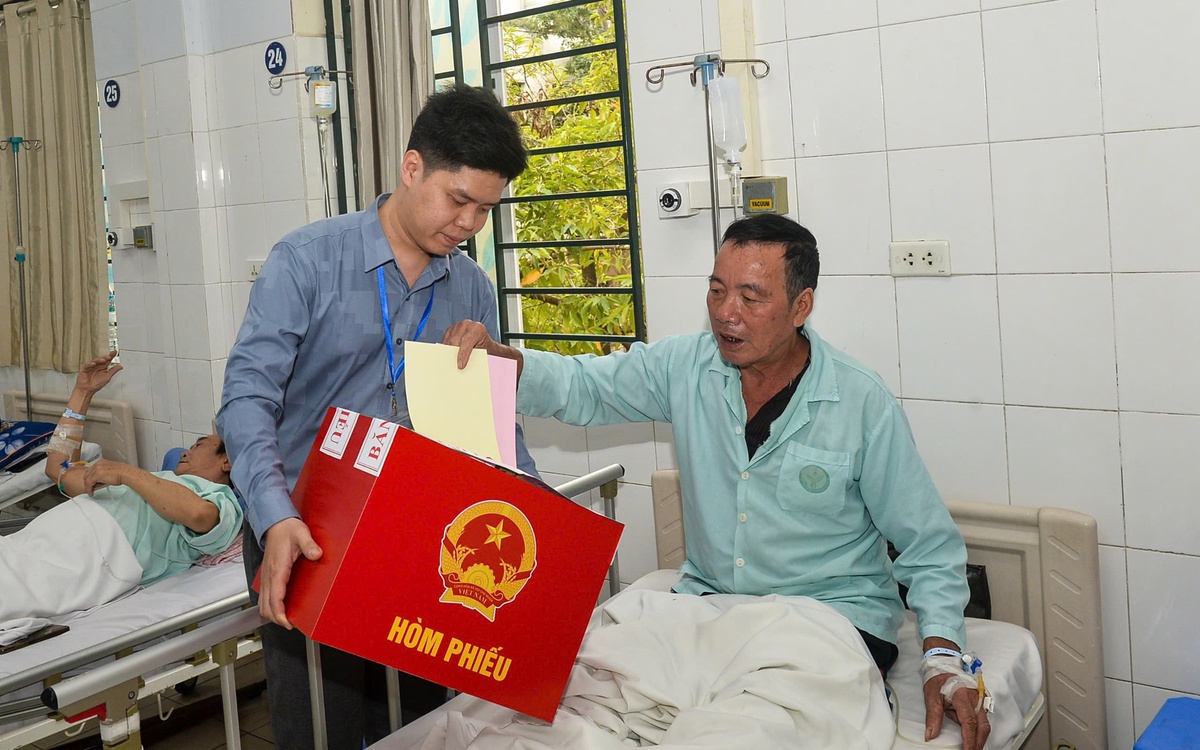
On the morning of March 15, numerous patients in hospitals experienced a heartfelt moment as they were able to cast their votes when ballot boxes were brought directly to their bedsides. This initiative allowed those unable to visit polling stations due to health issues to participate in the democratic process, ensuring that every voice is heard, regardless of circumstances.
This article is compiled from: Tuoi Tre.
Ballot Boxes Brought to Hospital Bedsides: Touching Moments on Election Day. On the morning of March 15, many patients in hospitals were moved as they exercised their civic duty when ballot boxes were brought directly to their bedsides. This article is edited in a practical format for general readers, highlighting clinical context, warning signs, risk groups, and safe care pathways. It also clarifies when to seek medical attention, how to coordinate with clinicians, and how rehabilitation planning can reduce long-term complications.
This article belongs to Medical News and prioritizes clarity, clinical safety, and practical guidance that readers can apply in daily care decisions.
Avoid prolonged self-medication without professional guidance. If symptoms affect daily activities, seek clinical evaluation early to confirm causes and set an appropriate treatment plan.
During recovery, maintain suitable physical activity, monitor treatment response, and attend follow-up visits to adjust the plan as needed.
This content is for educational reference and does not replace direct diagnosis. All treatment decisions should be based on in-person assessment by qualified clinicians.
Ballot Boxes Brought to Hospital Bedsides: Touching Moments on Election Day. On the morning of March 15, many patients in hospitals were moved as they exercised their civic duty when ballot boxes were brought directly to their bedsides. This article is edited in a practical format for general readers, highlighting clinical context, warning signs, risk groups, and safe care pathways. It also clarifies when to seek medical attention, how to coordinate with clinicians, and how rehabilitation planning can reduce long-term complications.
This article belongs to Medical News and prioritizes clarity, clinical safety, and practical guidance that readers can apply in daily care decisions.
Avoid prolonged self-medication without professional guidance. If symptoms affect daily activities, seek clinical evaluation early to confirm causes and set an appropriate treatment plan.
During recovery, maintain suitable physical activity, monitor treatment response, and attend follow-up visits to adjust the plan as needed.
This content is for educational reference and does not replace direct diagnosis. All treatment decisions should be based on in-person assessment by qualified clinicians.


