
HANDSVIET
Rehabilitation
HandsViet...
Elderly Individuals Living with Multiple Health Conditions Require Care Models Beyond Just 'Treatment'. Statistics indicate that elderly people in Vietnam often live with health issues for about 5-7 years in their final years, with an average of 4-5 different medical conditions per person. This situation necessitates a care model for the elderly that goes beyond mere 'treatment'. This article is edited in a practical format for general readers, highlighting clinical context, warning signs, risk groups, and safe care pathways. It also clarifies when to seek medical attention, how to coordinate with clinicians, and how rehabilitation planning can reduce long-term complications.
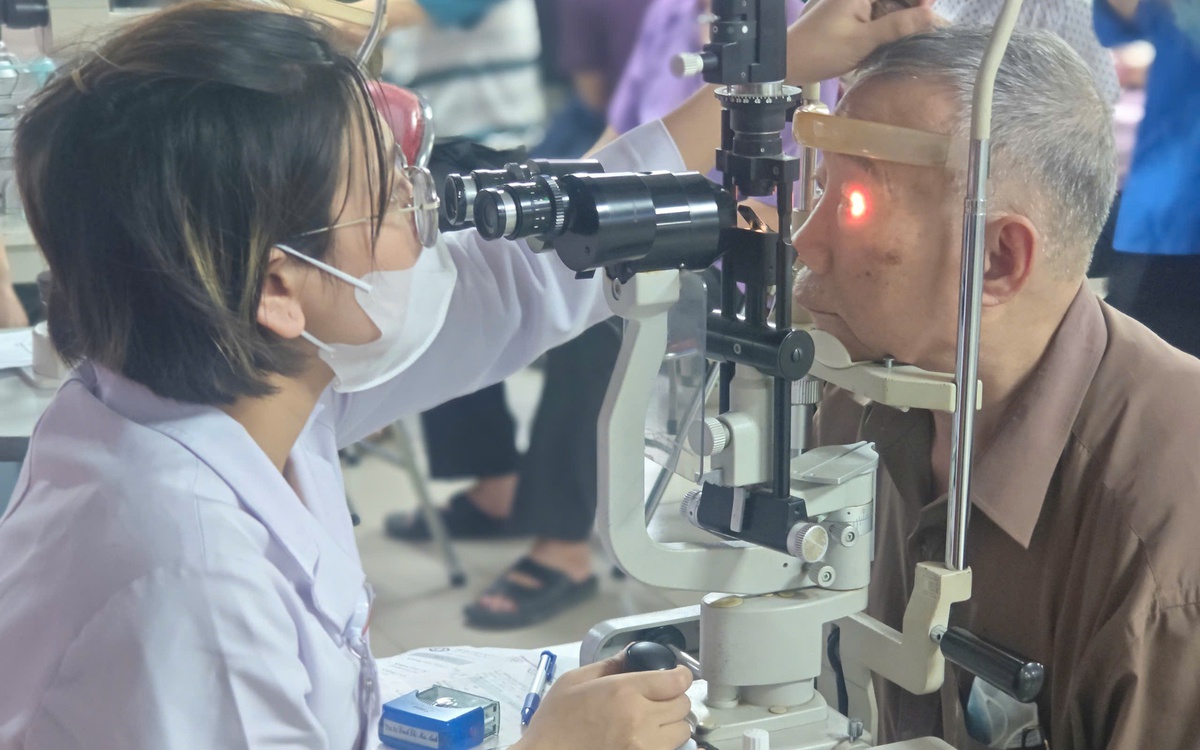
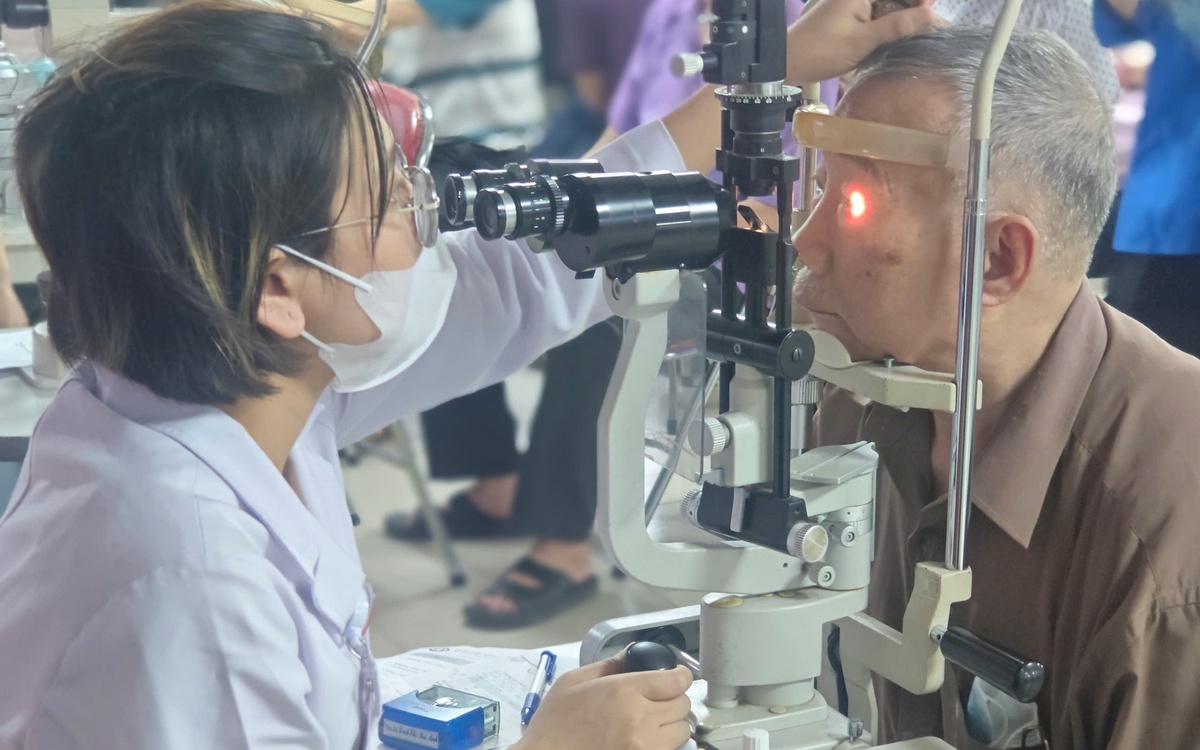
Statistics show that elderly individuals in Vietnam typically endure health issues for approximately 5-7 years in their later life, averaging 4-5 different medical conditions. This reality calls for a care model for the elderly that is not limited to just 'treatment'.
This article is compiled from: Tuoi Tre.
Elderly Individuals Living with Multiple Health Conditions Require Care Models Beyond Just 'Treatment'. Statistics indicate that elderly people in Vietnam often live with health issues for about 5-7 years in their final years, with an average of 4-5 different medical conditions per person. This situation necessitates a care model for the elderly that goes beyond mere 'treatment'. This article is edited in a practical format for general readers, highlighting clinical context, warning signs, risk groups, and safe care pathways. It also clarifies when to seek medical attention, how to coordinate with clinicians, and how rehabilitation planning can reduce long-term complications.
This article belongs to Medical News and prioritizes clarity, clinical safety, and practical guidance that readers can apply in daily care decisions.
Avoid prolonged self-medication without professional guidance. If symptoms affect daily activities, seek clinical evaluation early to confirm causes and set an appropriate treatment plan.
During recovery, maintain suitable physical activity, monitor treatment response, and attend follow-up visits to adjust the plan as needed.
This content is for educational reference and does not replace direct diagnosis. All treatment decisions should be based on in-person assessment by qualified clinicians.
Elderly Individuals Living with Multiple Health Conditions Require Care Models Beyond Just 'Treatment'. Statistics indicate that elderly people in Vietnam often live with health issues for about 5-7 years in their final years, with an average of 4-5 different medical conditions per person. This situation necessitates a care model for the elderly that goes beyond mere 'treatment'. This article is edited in a practical format for general readers, highlighting clinical context, warning signs, risk groups, and safe care pathways. It also clarifies when to seek medical attention, how to coordinate with clinicians, and how rehabilitation planning can reduce long-term complications.
This article belongs to Medical News and prioritizes clarity, clinical safety, and practical guidance that readers can apply in daily care decisions.
Avoid prolonged self-medication without professional guidance. If symptoms affect daily activities, seek clinical evaluation early to confirm causes and set an appropriate treatment plan.
During recovery, maintain suitable physical activity, monitor treatment response, and attend follow-up visits to adjust the plan as needed.
This content is for educational reference and does not replace direct diagnosis. All treatment decisions should be based on in-person assessment by qualified clinicians.


