HANDSVIET
Rehabilitation
HandsViet...
Vinmec Triumphs at Healthcare Asia Awards 2026, Highlighting Palliative Care Model. On March 26, Vinmec Healthcare System achieved remarkable success by winning three major awards at the Healthcare Asia Awards 2026. This marks the second consecutive year that Vinmec has been recognized at one of Asia's most prestigious medical awards. This article is edited in a practical format for general readers, highlighting clinical context, warning signs, risk groups, and safe care pathways. It also clarifies when to seek medical attention, how to coordinate with clinicians, and how rehabilitation planning can reduce long-term complications.
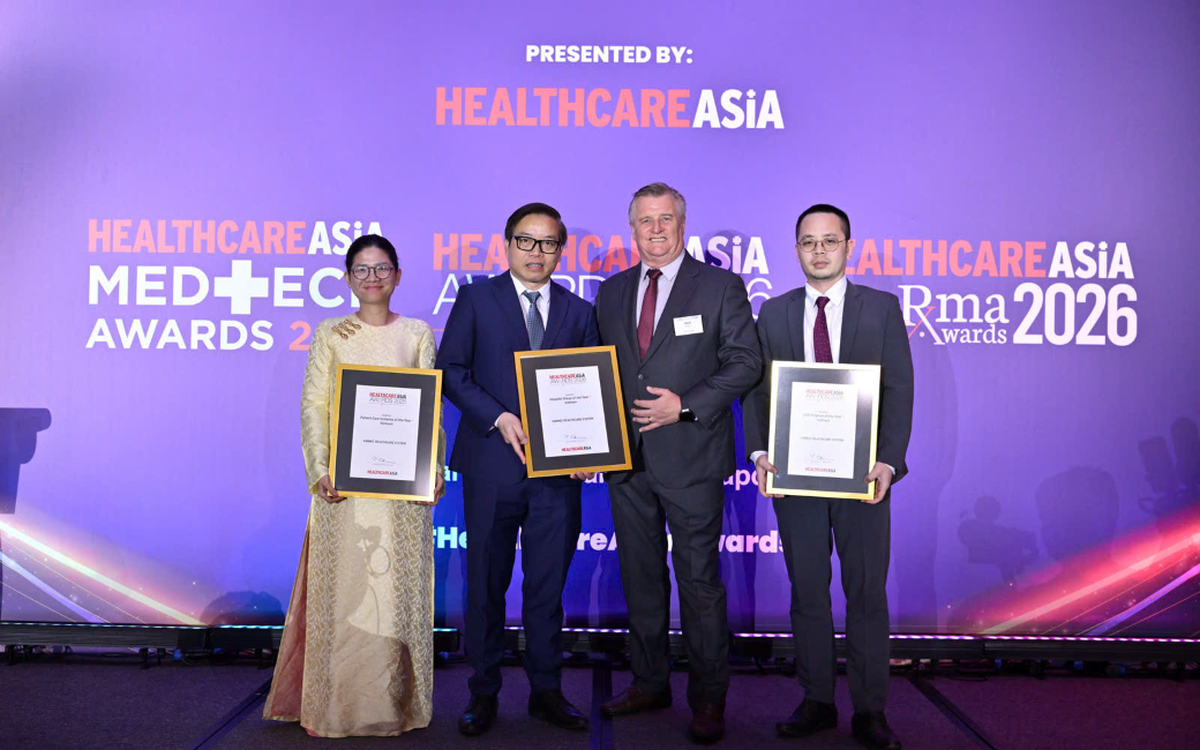
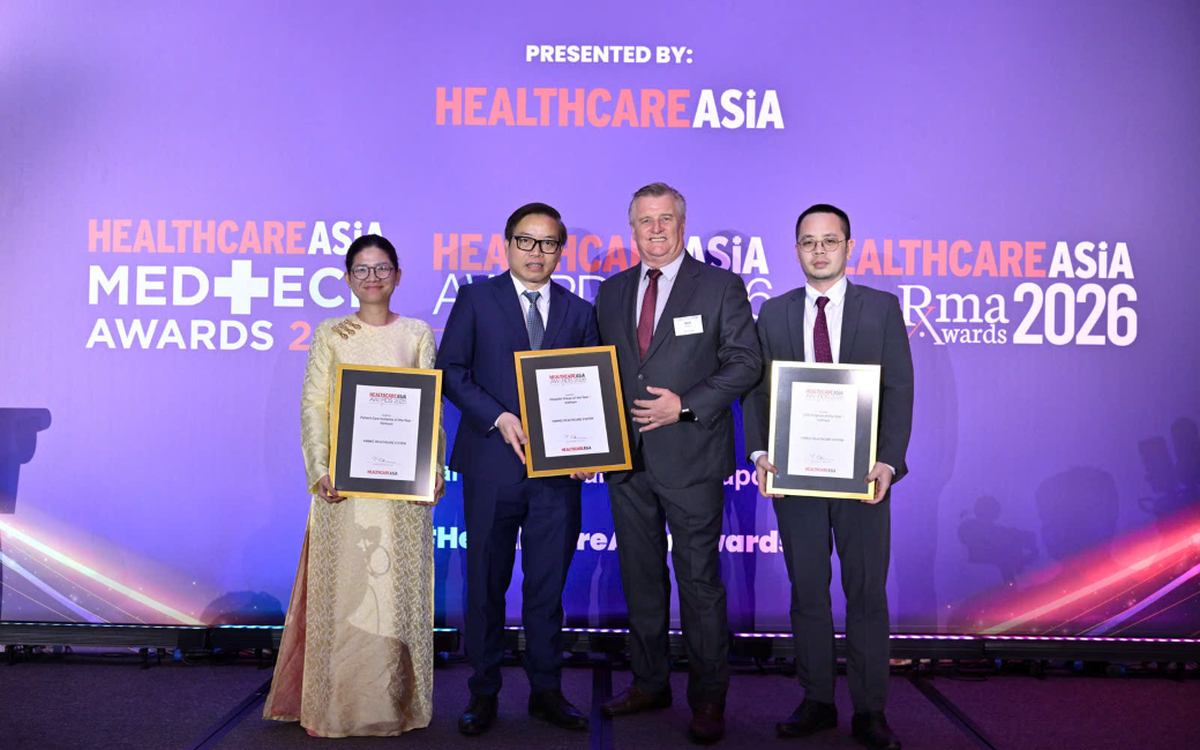
On the evening of March 26, the Vinmec Healthcare System excelled by winning three significant awards at the Healthcare Asia Awards 2026. This achievement marks the second consecutive year that Vinmec has been honored at one of the leading medical awards in Asia.
This article is compiled from: Tuoi Tre.
Vinmec Triumphs at Healthcare Asia Awards 2026, Highlighting Palliative Care Model. On March 26, Vinmec Healthcare System achieved remarkable success by winning three major awards at the Healthcare Asia Awards 2026. This marks the second consecutive year that Vinmec has been recognized at one of Asia's most prestigious medical awards. This article is edited in a practical format for general readers, highlighting clinical context, warning signs, risk groups, and safe care pathways. It also clarifies when to seek medical attention, how to coordinate with clinicians, and how rehabilitation planning can reduce long-term complications.
This article belongs to Medical News and prioritizes clarity, clinical safety, and practical guidance that readers can apply in daily care decisions.
Avoid prolonged self-medication without professional guidance. If symptoms affect daily activities, seek clinical evaluation early to confirm causes and set an appropriate treatment plan.
During recovery, maintain suitable physical activity, monitor treatment response, and attend follow-up visits to adjust the plan as needed.
This content is for educational reference and does not replace direct diagnosis. All treatment decisions should be based on in-person assessment by qualified clinicians.
Vinmec Triumphs at Healthcare Asia Awards 2026, Highlighting Palliative Care Model. On March 26, Vinmec Healthcare System achieved remarkable success by winning three major awards at the Healthcare Asia Awards 2026. This marks the second consecutive year that Vinmec has been recognized at one of Asia's most prestigious medical awards. This article is edited in a practical format for general readers, highlighting clinical context, warning signs, risk groups, and safe care pathways. It also clarifies when to seek medical attention, how to coordinate with clinicians, and how rehabilitation planning can reduce long-term complications.
This article belongs to Medical News and prioritizes clarity, clinical safety, and practical guidance that readers can apply in daily care decisions.
Avoid prolonged self-medication without professional guidance. If symptoms affect daily activities, seek clinical evaluation early to confirm causes and set an appropriate treatment plan.
During recovery, maintain suitable physical activity, monitor treatment response, and attend follow-up visits to adjust the plan as needed.
This content is for educational reference and does not replace direct diagnosis. All treatment decisions should be based on in-person assessment by qualified clinicians.


