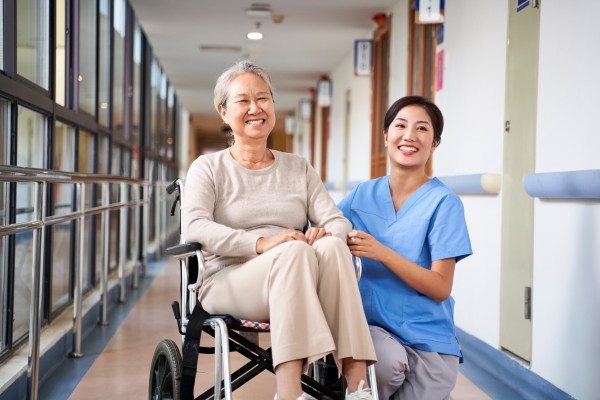
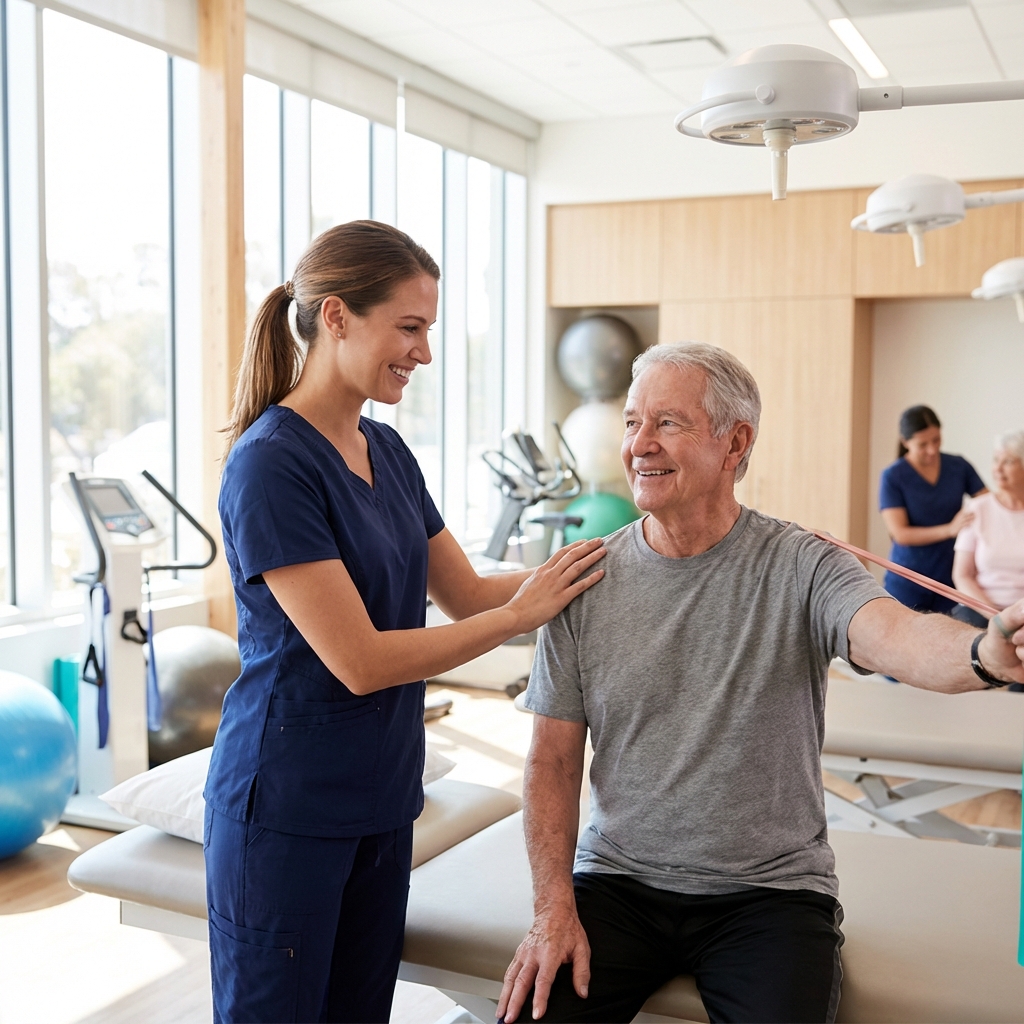
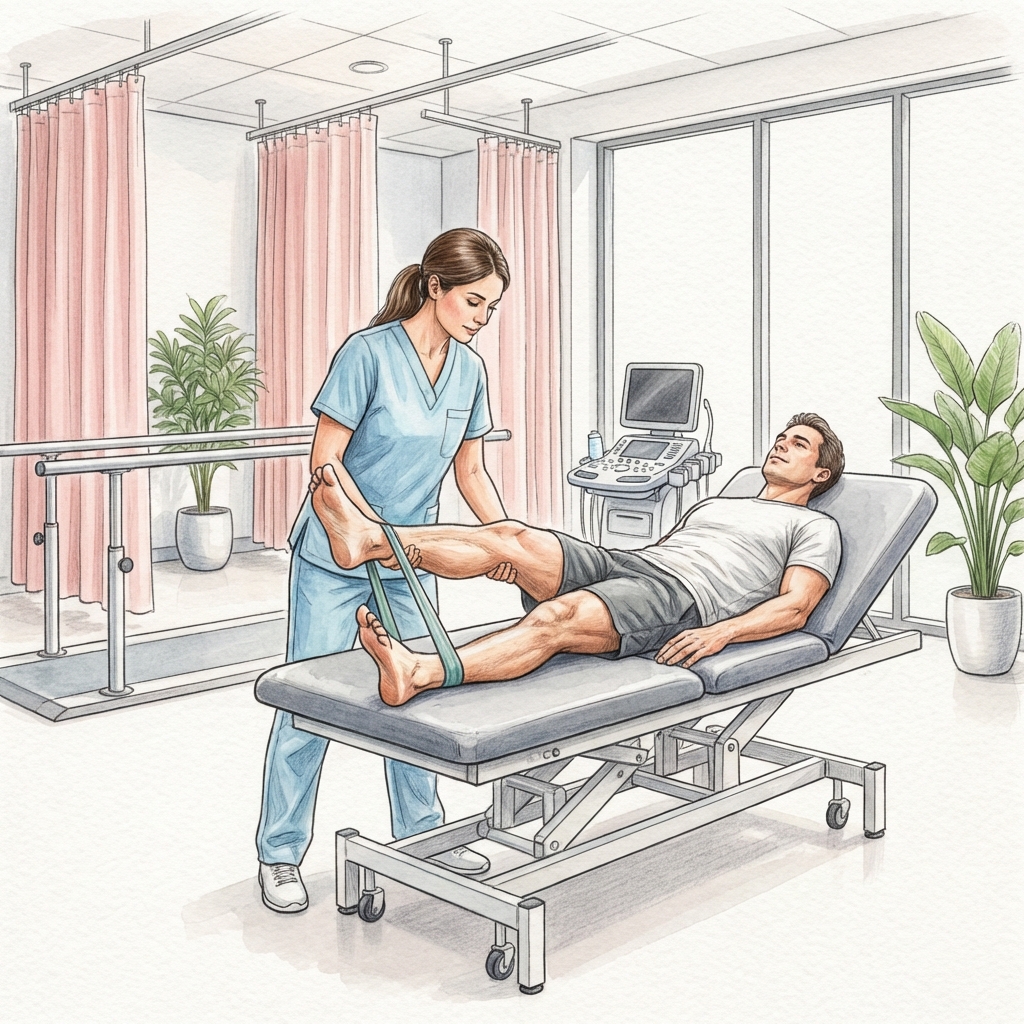
Rehabilitation at the right time after surgery shortens recovery and reduces complications. HandsViet follows each tissue-healing phase closely so movement can be restored safely and efficiently.
HandsViet always starts with a comprehensive review of the current condition, functional limitations, and real-life daily challenges. The intervention plan therefore addresses not only symptoms, but also safe, sustainable movement and the personal goals that matter to each patient.
Alongside in-clinic treatment, the program emphasizes home exercise, daily habit adjustment, and relapse prevention education. This approach keeps recovery progressing between therapy sessions and improves medium-term and long-term results.
Throughout the pathway, progress is reviewed with clear functional indicators so the treatment plan can be updated at the right time. Each stage therefore has a clear target, making recovery more actionable for patients, easier for families to support, and more effective in practice.
-
Early pain control, stiffness reduction, and range-of-motion recovery.
-
Progressive loading based on postoperative precautions.
-
Close monitoring to support a safe return to normal daily activity.
These are the common diagnoses and functional conditions seen in this field. Identifying the right problem from the start shortens treatment time and reduces the risk of going in the wrong direction.
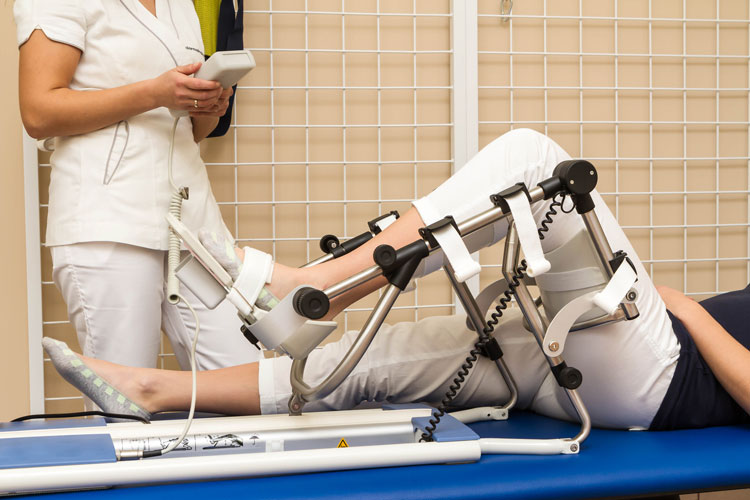
After hip/knee replacement
Focuses on restoring ROM, strength, and gait mechanics to prevent stiffness and falls.
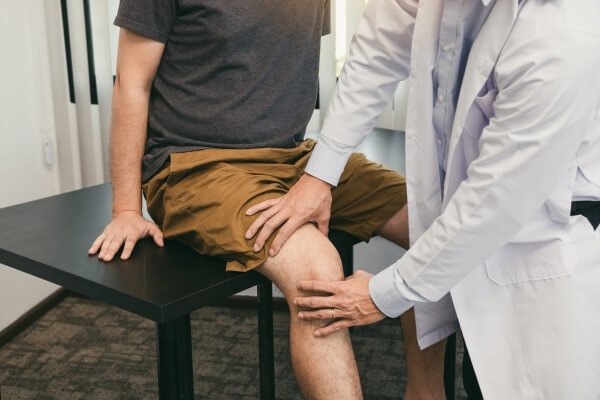
After ligament reconstruction
Milestone-based progression with clear criteria before return to sport or heavy work.
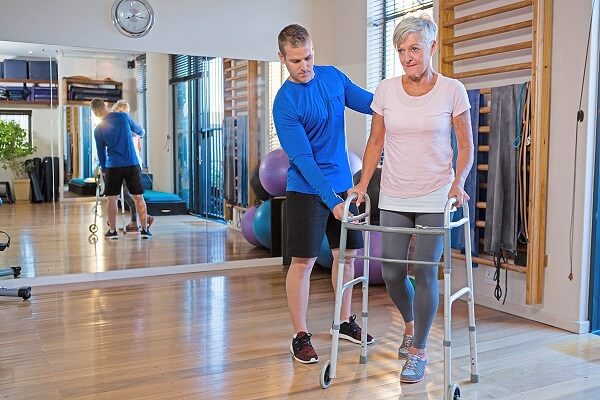
After spine surgery
Restores trunk control, core stability, and safe movement in daily tasks.

After fracture fixation
Phase-specific rehabilitation to prevent stiffness, muscle loss, and functional decline.
The methods below are combined flexibly according to each stage of recovery rather than applying one rigid protocol to every case. Personalizing intervention reduces overload, improves treatment response, and helps maintain stable results after the program ends.
- Breathing exercise and early mobilization
- Controlled range-of-motion training
- Core and limb strengthening
- Guidance to prevent blood clots and falls
The pathway is standardized to clinical principles while staying flexible to real patient response. Each milestone includes measurable checkpoints so the team can evaluate effectiveness and adjust the plan when needed.
-
1
Postoperative review and risk screening
-
2
Intervention across 1-, 3-, 6-, and 12-week milestones
-
3
Functional assessment tied to recovery goals
-
4
Handover of a long-term maintenance program
Results depend on the initial level of injury, how early intervention begins, and how consistently the patient follows the exercise plan. HandsViet sets realistic stage-by-stage goals so progress is visible and motivation stays strong throughout recovery.
-
Shorter recovery time
-
Better joint mobility and muscle strength
-
Earlier return to daily life and work
This program is suitable for patients with movement limitation, persistent pain after injury or surgery, and anyone who needs focused rehabilitation to return to work, study, and normal daily life.
- 01.Patients after joint replacement, spinal surgery, ligament repair, or fracture fixation
- 02.Patients needing a safe, milestone-based rehabilitation plan
- 03.People aiming to return faster to work and independent function
If you notice any of the signs below, you should seek an early assessment so treatment can begin at the right time:
Increasing pain, swelling, redness, or heat at surgical area
New numbness, weakness, or sensory change after surgery
Persistent mobility decline despite basic exercise
Fever or signs suggesting possible wound-related complications
This is a sample roadmap to help patients understand the expected pace of progress. The actual plan will be adjusted according to diagnosis, physical capacity, and treatment response.
Weeks 1-2
Control pain and inflammation, restore basic movement.
Weeks 3-4
Increase range of motion and begin basic strengthening.
Weeks 5-6
Progress to more advanced functional training for work and daily activity.
Weeks 7-8
Review results and hand over the home maintenance program.
HandsViet is committed to transparent treatment goals, clear functional tracking, and continuous support throughout the rehabilitation journey. Patients and families are kept informed so they can participate effectively in care.
Essential guidance to support safe recovery and faster return to daily function.
Should I stay in bed most of the time after surgery?
No. Safe early movement usually reduces complications and supports faster recovery.
When can I drive or return to work?
That depends on the procedure and your job demands. The team will assess readiness at each follow-up milestone.